
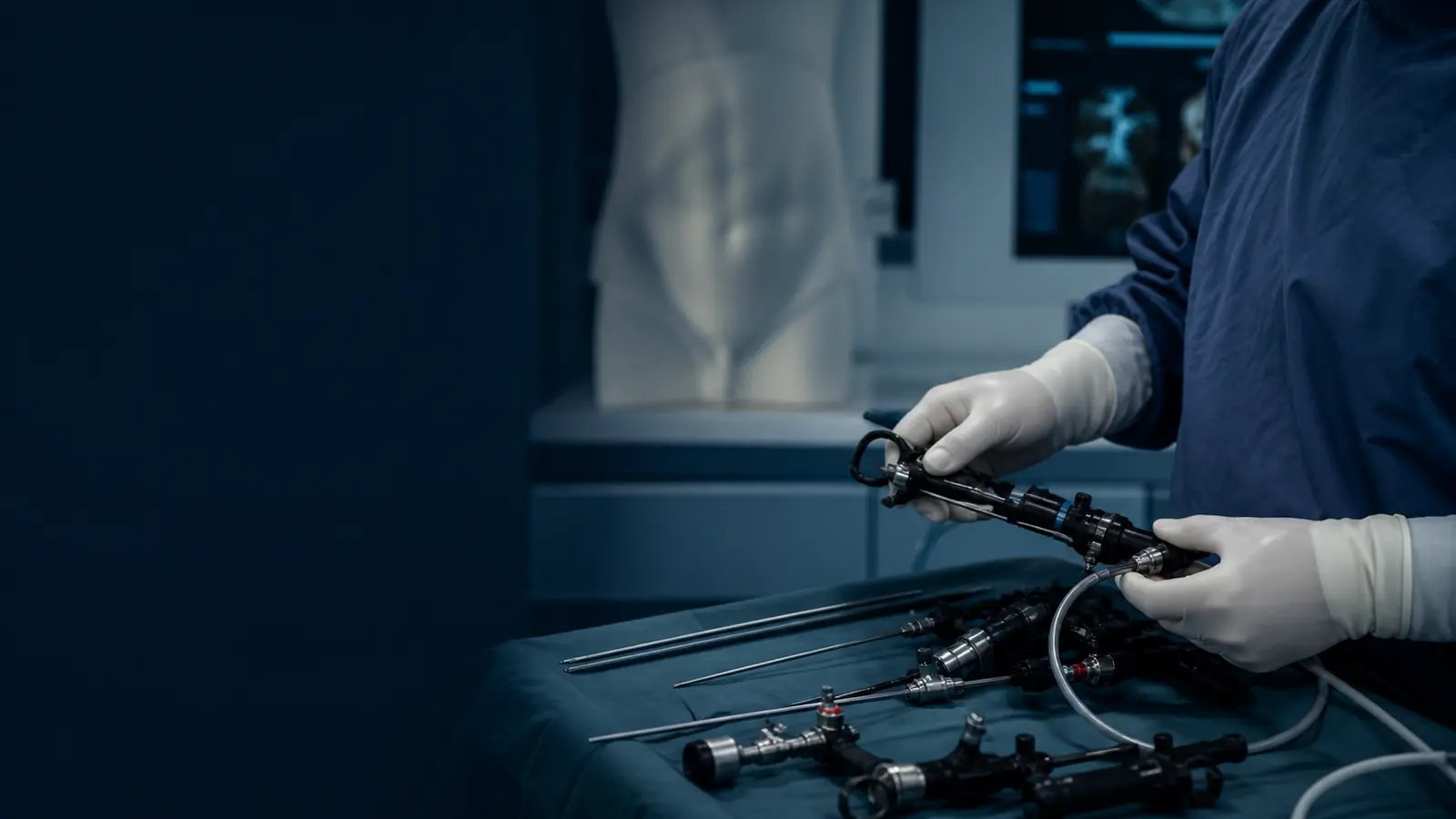
Groin, Umbilical and Incisional Hernias
Open or laparoscopic repair options based on location, size, symptoms and previous surgery.
Groin, Umbilical and Incisional Hernias
Abdominal-wall, soft-tissue and anal symptoms can overlap, making careful examination and sometimes further testing important.
Open or laparoscopic repair options based on location, size, symptoms and previous surgery.
What is considered in a personal assessment?
Suitability is not decided by a diagnosis or one test result alone. The consultation brings the following points together:
- Duration of symptoms and effect on daily life
- Current conditions and medicines
- Recent laboratory and imaging results
- Previous operations and treatments
- Anaesthetic and surgical risk
- Expectations and access to follow-up
Your pathway from assessment to follow-up
- 01
Initial consultation
Your concern, medical history and available records are reviewed.
- 02
Diagnostic plan
Examination, blood tests, imaging or endoscopy are arranged when needed.
- 03
Shared decision
Benefits, risks, alternatives and the expected recovery are discussed clearly.
- 04
Treatment and follow-up
Check-ins, nutrition and daily-life guidance continue through a personal plan.
Questions to ask during your consultation
- 01Is Groin, Umbilical and Incisional Hernias appropriate for my situation?
- 02Which alternatives should I consider?
- 03What are the main risks and warning signs?
- 04How will recovery and follow-up be organised?
Let’s identify the right place to begin.
Briefly share your concern and our team can respond about your reports and consultation needs.